 English1


What Should You Not Do With a Backhoe?
Backhoes are vital for construction, agriculture, and infrastructure projects, but misuse risks harm. The U.S. Bureau of Labor Statistics (BLS) reports 60 annual fatalities and 2,000 non-fatal injuries from backhoe incidents—most preventable. This release highlights key mistakes and real cases to boost safety.
1. Operating Without Proper Training
Untrained operators pose severe risks. In 2023, a mid-sized construction firm faced legal action after a 22-year-old with no training crashed a backhoe while digging a utility trench. He suffered life-altering spinal injuries.
“Certification is a lifeline,” says NIOSH’s Sarah Johnson. Operators need hands-on training, exams, and emergency knowledge. Skipping this violates OSHA rules and endangers lives.
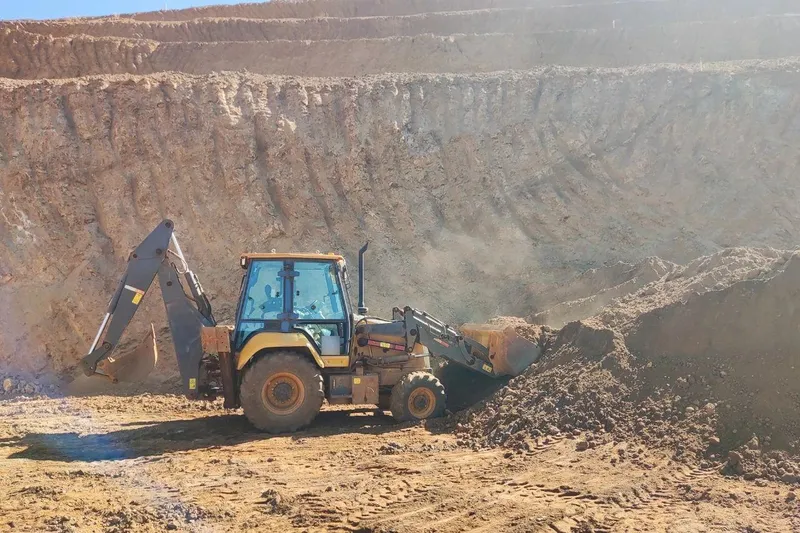
2. Ignoring Pre-Operation Inspections
Skipping 10–15 minute checks causes accidents. In 2022, a family farm’s backhoe hydraulic hose burst mid-hay bale lift—worn parts missed in inspection—crushing the farmer’s leg.
AGC instructor Mike Torres notes: “Inspect for leaks, loose bolts, and damaged controls. Take faulty machines out of service.”
3. Overloading or Misusing the Backhoe
Exceeding weight limits is catastrophic. A 2021 road project operator lifted a concrete pipe 50% over capacity—boom snapped, killing a coworker.
“Never ignore load charts,” Johnson warns. Misuse, like using buckets to push stumps, also risks harm. A 2020 landscaper’s backhoe slid downhill and rolled over while pushing a stump, injuring him.
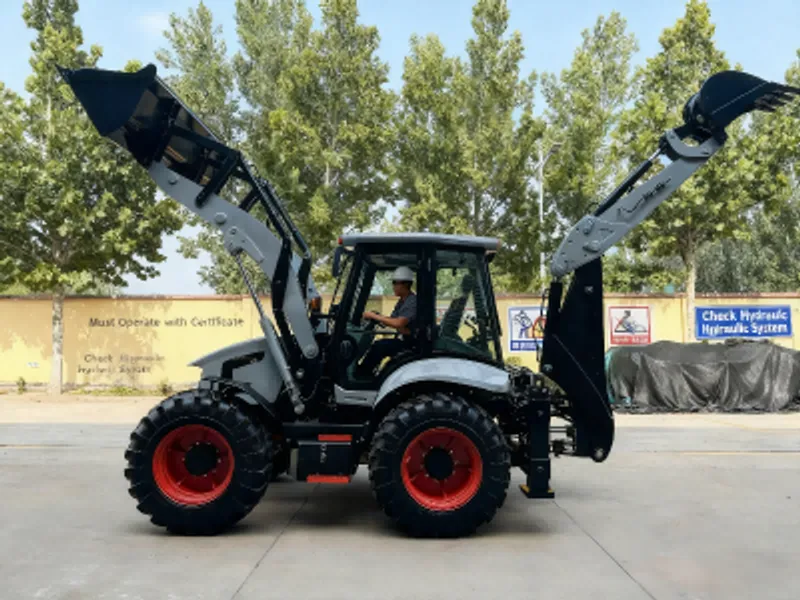
4. Working on Unstable Ground
Backhoes need stable terrain. A 2023 utility project operator dug a trench on a 25-degree slope—ground gave way, burying a worker who needed months of rehab for fractures.
“Assess ground first,” Torres advises. Use stabilizers on slopes over 15 degrees; reinforce soft ground with gravel if needed.
5. Failing to Secure the Work Area
Unsecured zones risk bystanders. A 2022 housing site near-miss saw a child wander in—only a coworker’s quick action saved them from a lowering bucket.
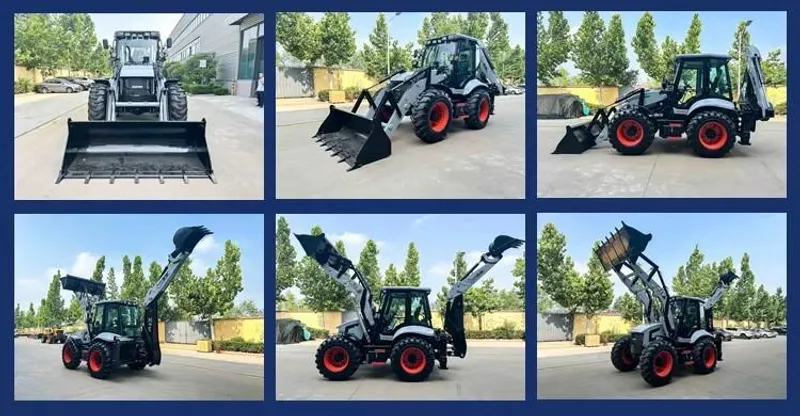
“Fence zones and use spotters,” Johnson says. Communicate via signals or radios to track backhoe movements.
Conclusion
Backhoes boost productivity but demand care. Avoiding these mistakes—training, inspections, load limits, stable ground, secured zones—protects lives and cuts costs.
“Safety is top priority,” Torres stresses. “Investing in protocols avoids fines, lawsuits, and tragedy.” As industries rely on backhoes, safe practices are non-negotiable.